Did John the Baptist Really Eat Locusts?
August 21, 20265 min readHistory
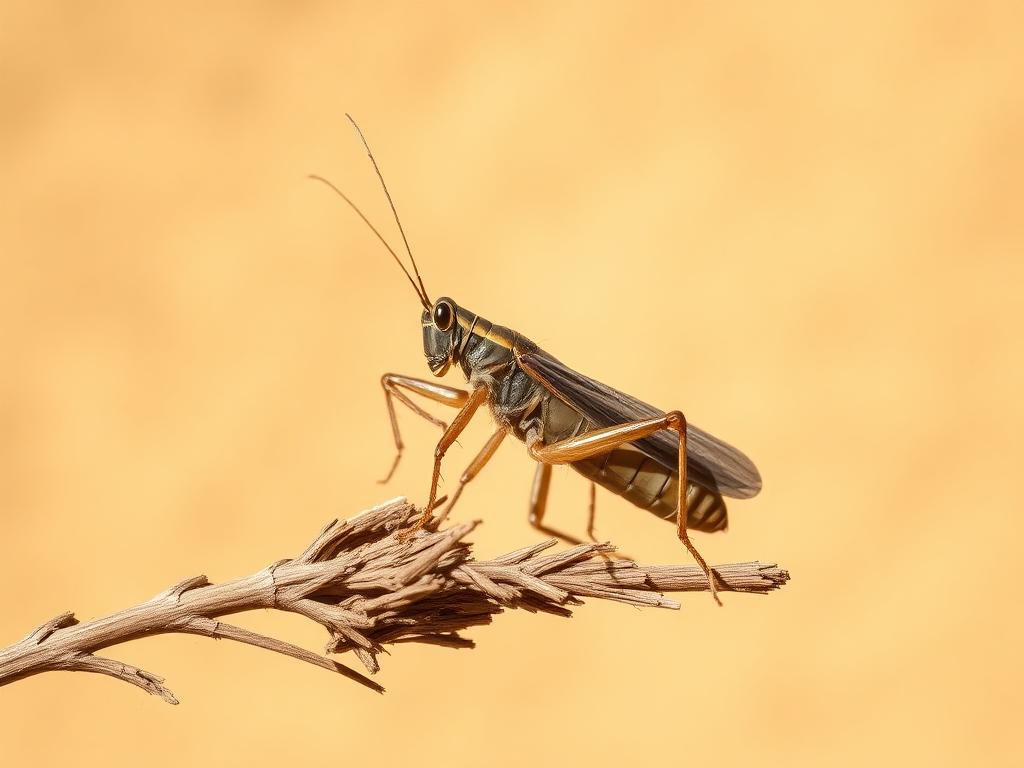
John the Baptist’s wilderness diet is one of the more vivid details in the Gospels — camel-hair clothing, a leather belt, and a meal of locusts and wild honey. Read against the food laws he grew up under, it turns out to be a stranger detail than most readers assume: not a survival-food compromise, but a meal that fell well within the boundaries Leviticus already allowed, eaten by a man whose whole appearance was already meant to unsettle people.
A preacher in the wilderness
Matthew introduces John already out in open country: ‘In those days came John the Baptist, preaching in the wilderness of Judaea’ (Matthew 3:1), fulfilling what Matthew calls ‘the voice of one crying in the wilderness, Prepare ye the way of the Lord’ (Matthew 3:3). His clothing and his food are described in the same breath, part of one picture of a man living entirely off what the wilderness itself provided, rather than off a settled household’s table.
What Matthew actually says
The description comes from Matthew’s introduction of John: ‘And the same John had his raiment of camel’s hair, and a leathern girdle about his loins; and his meat was locusts and wild honey’ (Matthew 3:4). Mark’s Gospel confirms the same meal in its own words: ‘he did eat locusts and wild honey’ (Mark 1:6). Both accounts are matter-of-fact about it — two foods, named plainly, with no comment on how unusual the combination might have sounded to a first-century reader.
The rule that makes it lawful
It is easy to read locusts as the food of a man with no other options. But Leviticus 11 draws a careful line through flying, crawling insects rather than banning them all outright. The general rule comes first: ‘All fowls that creep, going upon all four, shall be an abomination unto you’ (Leviticus 11:20). Then comes the exception: ‘Yet these may ye eat of every flying creeping thing that goeth upon all four, which have legs above their feet, to leap withal upon the earth’ (Leviticus 11:21), followed by the short list of what qualifies — ‘the locust after his kind, and the bald locust after his kind, and the beetle after his kind, and the grasshopper after his kind’ (Leviticus 11:22). Everything else in the category remained forbidden (Leviticus 11:23). Locusts were never a loophole; they were the one insect Leviticus had already carved out by name, centuries before John ate any.
John’s meal was a practice Leviticus expressly permitted, not a rule broken out of necessity. That deserves stating carefully, though: the text never draws a direct line connecting John’s specific choice back to that Leviticus passage, and nothing suggests he reached for locusts because of the verse rather than because they were simply what the wilderness offered. The two facts sit next to each other without Scripture explaining the connection between them.
Wild honey, the other half of the meal
Honey needed no such legal exception — Leviticus 11 never addresses it at all, since the rule only concerns living creatures, not what a bee produces. Wild honey, gathered from bees nesting in rock crevices or hollow trees, was foraged rather than farmed, which made it a natural pairing with a foraged insect: two sources of food that required no herd, no field, and no settled home to gather — exactly the diet suited to a preacher who lived where he preached.
A minority reading: carob pods, not insects
Not every scholar agrees the Greek word behind ‘locusts’ (akris) means the insect in this particular verse. Some scholars have suggested it could instead refer to the sweet, leathery pods of the carob tree — a plant known in some folk traditions as ‘St. John’s bread,’ and widely identified by scholars with the ‘husks’ the prodigal son longed to eat (Luke 15:16): ‘he would fain have filled his belly with the husks that the swine did eat.’ It remains a minority position. Akris ordinarily means the insect, and most translations and most scholars keep that plain sense — actual locusts, the same permitted insect named in Leviticus 11:22. The carob theory is common enough to be worth knowing if you come across it, but it is very much the exception rather than the rule.
Where to go from here
Insect or pod, wild honey or not, John’s wilderness meal fits comfortably inside food categories Israel had followed for well over a thousand years by the time he ate it — a detail meant to unsettle his listeners far less than his message did. The free Starter Guide walks through the rest of those categories, insect by insect and animal by animal, on one printable page.
The Biblical Diet Starter Guide — free
The printable clean & unclean list, a week of shopping lists, and seven biblical recipes.
Weekly recipes & shopping lists follow. Unsubscribe anytime.