The Daniel Fast Food List: What ‘Pulse and Water’ Really Means
August 17, 20265 min readPractice
A practice, not a prescription
Search Scripture for the words ‘Daniel Fast’ and you will not find them — the phrase never appears anywhere in the Bible, and neither does the word ‘fast’ appear anywhere in the two chapters the modern practice is built from. What you find instead are two separate episodes: a ten-day trial in Daniel 1, where four young men eat nothing but pulse and water, and a three-week period of mourning in Daniel 10, where an older Daniel eats no rich food, no meat, and no wine. Scripture describes what Daniel did in each case. It does not hand down a named fast with a fixed food list, and the modern ‘Daniel Fast’ many churches now observe is a later, well-intentioned combination of both passages rather than a single plan Daniel himself ever followed at once.
What Daniel actually asked for
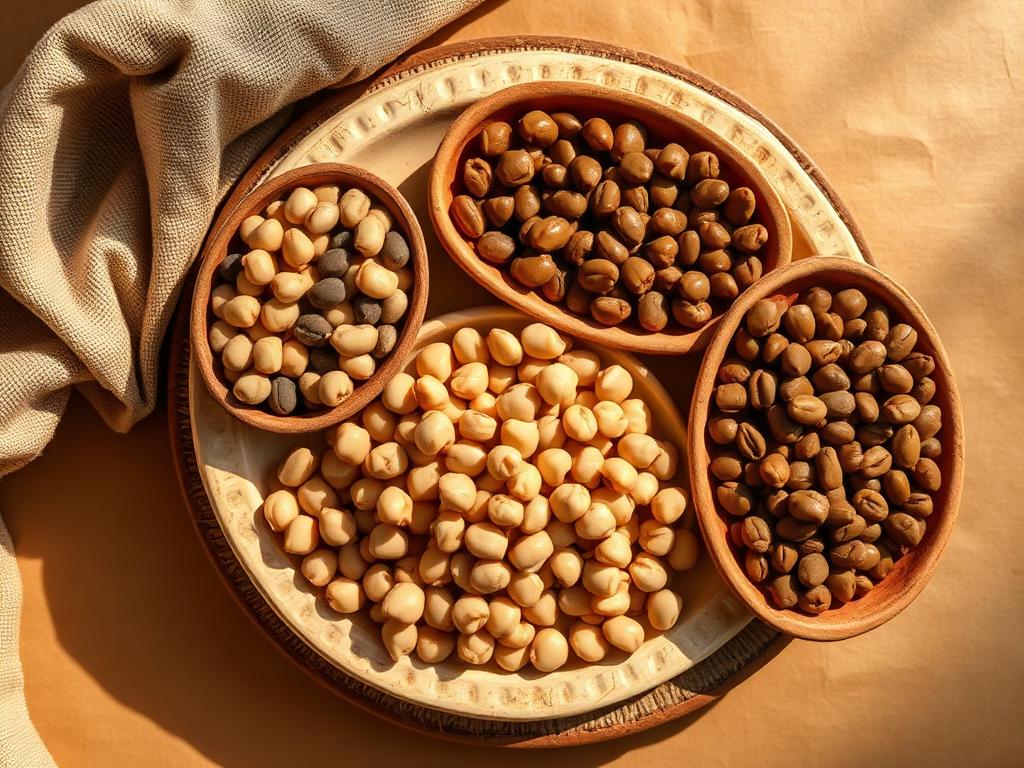
The better-known episode opens with young Daniel newly arrived in Babylon, assigned a ‘daily provision of the king’s meat, and of the wine which he drank’ (Daniel 1:5) — rich food from the royal table, meant to prepare him for three years of training. ‘But Daniel purposed in his heart that he would not defile himself with the portion of the king’s meat, nor with the wine which he drank’ (Daniel 1:8), so he proposed a test to the steward set over him rather than a lifelong commitment: ‘Prove thy servants, I beseech thee, ten days; and let them give us pulse to eat, and water to drink’ (Daniel 1:12). Pulse, in this older sense of the word, means legumes and seeds broadly — the plain, non-royal food of ordinary people, not one specific dish. The word itself is rare in the King James Version: outside these two chapters, it appears only once more, among provisions brought to David during Absalom’s rebellion (2 Samuel 17:28).
Ten days later, the results spoke for themselves: ‘their countenances appeared fairer and fatter in flesh than all the children which did eat the portion of the king’s meat’ (Daniel 1:15). The steward kept the four of them on the same simple diet afterward, according to Daniel 1:16 — pulse in place of meat and wine, apparently for as long as their training in Babylon continued, not only the original ten days.
A second, harsher restriction, later in life
Chapter 10 describes a different moment entirely, years later, when an older Daniel is grieving over a vision he has just received, one whose ‘time appointed was long’ (Daniel 10:1). ‘In those days I Daniel was mourning three full weeks,’ he says. ‘I ate no pleasant bread, neither came flesh nor wine in my mouth, neither did I anoint myself at all, till three whole weeks were fulfilled’ (Daniel 10:2-3). This reads less like a diet plan than a description of grief — the text calls it mourning, not fasting — and it excludes a shorter, more specific list than chapter 1: rich or ‘pleasant’ bread, meat, and wine, with no mention of pulse at all.
What a faithful food list looks like
Put the two chapters together, as most modern Daniel Fast guides do, and a food list emerges: vegetables and legumes, fruit, and water, with meat, wine, and rich or refined food set aside. In practice, that usually means lentils, beans, and other legumes standing in for pulse, alongside whatever vegetables, fruit, and water are on hand — plain enough to require real intention, much like Daniel’s own request did. That combination is a reasonable, honest extrapolation from both texts — but it is worth naming as an extrapolation. Daniel 1 describes a ten-day test that appears to have continued longer; Daniel 10 describes three weeks of mourning a decade or more later, for an entirely different reason. Neither chapter describes one fixed, multi-week fast built from both diets at once, which is the form the modern practice usually takes. None of that makes today’s Daniel Fast dishonest — only worth naming for what it is: a contemporary devotional practice inspired by Daniel’s example, not a schedule Scripture itself lays out in one place.
Building your own list
Whatever shape a modern Daniel Fast takes, the two chapters behind it agree on the spirit of the food: simple, plant-based, and chosen on purpose rather than by default. For a printable list of clean foods to help build a week of meals around that spirit, the free Starter Guide is a good place to start.
Frequently asked questions
Is the Daniel Fast a term used in the Bible?
No. The phrase ‘Daniel Fast’ does not appear anywhere in Scripture. It is a modern name for a devotional diet inspired by two separate passages — Daniel 1:12 and Daniel 10:2-3 — describing two real, distinct events rather than one ongoing practice.
What exactly did Daniel eat during the ten-day test?
Pulse and water, by his own request: ‘let them give us pulse to eat, and water to drink’ (Daniel 1:12). Pulse means legumes and seeds broadly, not one specific dish.
What foods does Daniel 10:2-3 exclude?
Pleasant, or rich, bread, along with meat and wine, for three full weeks — described in the text as an act of mourning rather than a dietary test.
How long is a biblical Daniel Fast supposed to last?
Scripture does not attach a single length to the practice. Daniel 1 describes a ten-day trial that appears to have continued afterward; Daniel 10 describes three full weeks for a different reason. The common modern 21-day version blends elements of both rather than reproducing either one exactly.
The Biblical Diet Starter Guide — free
The printable clean & unclean list, a week of shopping lists, and seven biblical recipes.
Weekly recipes & shopping lists follow. Unsubscribe anytime.