The 7 Most Mentioned Foods in the Bible — Counted Verse by Verse
August 18, 20265 min readData
Ask someone to guess the most mentioned food in the Bible and you will get bread almost every time — the obvious answer, the one that shows up in the Lord’s Prayer and the Last Supper alike. It is also wrong. Counting every King James Version verse that names a given food, rather than trusting instinct, turns up a different order entirely, and the actual leader is not a food most people would call food at all. Seven foods make up this list, drawn from a dataset of 83 tracked across the whole text — and the gap between the top spot and the seventh is wider than most people would guess.
How the counting works
Each number below comes from counting whole-word matches of a food’s search terms across every verse of the King James Version — a verse counts once no matter how many times the word appears inside it. That method is simple, but it is not the same as counting only literal meals. Water’s count of 612, for instance, includes the Flood, the Red Sea, and the river John the Baptist preached beside, not just cups people drank. The same is true further down the dataset: salt’s much smaller count still folds in covenant language like ‘a covenant of salt’ (Numbers 18:19) alongside ordinary seasoning. These are exact counts of a word’s appearances, not a judgment about which appearances describe an actual meal — and being upfront about that difference matters more than the ranking itself.
The seven, in order
Water leads the entire dataset at 612 verses, and rightly so — it is the Bible’s most basic image of both survival and danger, from the flood that covers the earth in Genesis to the water Jesus offers a Samaritan woman that becomes ‘a well of water springing up into everlasting life’ (John 4:14). Most of those 612 verses are rivers, rain, and sea rather than a cup at a meal, which is exactly the kind of count worth reading carefully rather than at face value.
Sheep and lambs together account for 440 verses, carrying both an everyday economy of wool, milk, and meat and the sacrificial system built around a spotless lamb at Passover (Exodus 12:5). By the time the Gospels open, calling someone a lamb was already loaded with meaning.
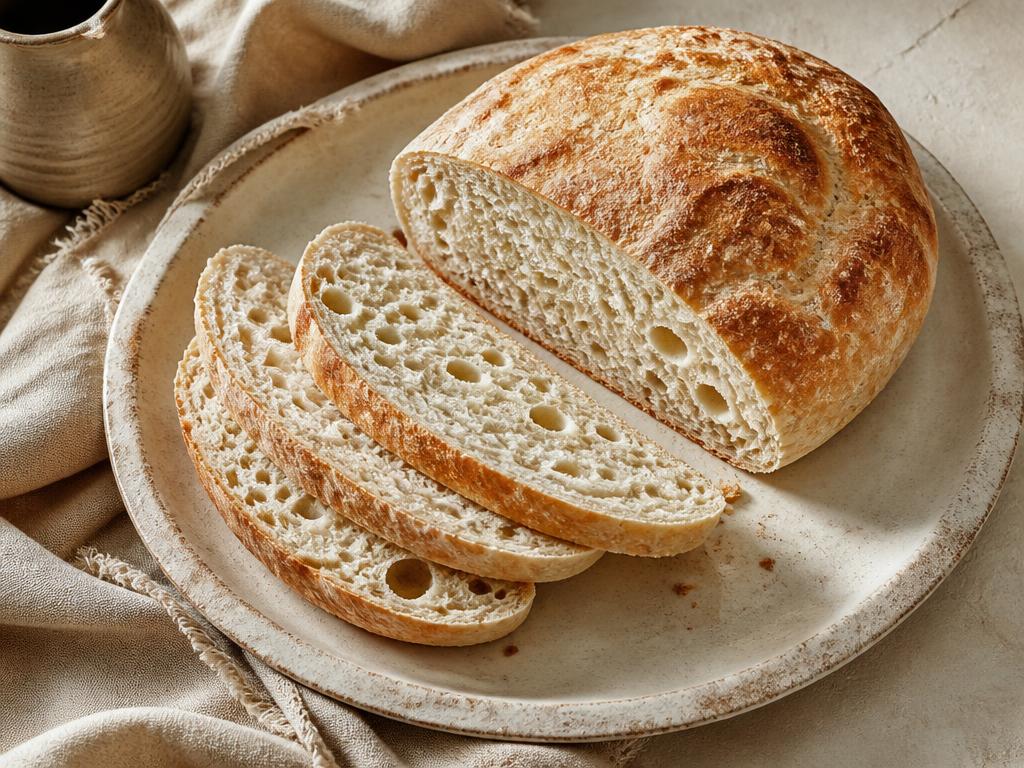
Bread comes in third at 354 verses, close enough to the popular guess to explain why so many people assume it wins outright. It is the word Scripture reaches for to mean food in general, from manna called ‘bread from heaven’ (Exodus 16:4) to Jesus breaking a loaf at the Last Supper and naming it his body (Matthew 26:26).
Oxen follow at 330 verses, mentioned far more often as draft animals plowing fields and threshing grain than as meat — which is why killing ‘the fatted calf’ (Luke 15:23) reads as a special-occasion event rather than an everyday meal in the story of the prodigal son.
Wine holds fifth place at 213 verses, the standard drink of celebration across both testaments, from Melchizedek bringing out bread and wine for Abram (Genesis 14:18) to Jesus turning water into wine at a wedding that had run dry (John 2:9-10).
Grapes come in sixth at 192 verses — a count that includes vines and vineyards alongside the fruit itself, capturing everything from Noah planting Scripture’s first vineyard (Genesis 9:20) to the single cluster so heavy that two spies carried it back from Canaan on a staff (Numbers 13:23).
Olive oil rounds out the seven at 187 verses, doing the work of fuel, food, and ceremony all at once — lighting lamps, cooking meals, and anointing kings and priests. Elijah once promised a starving widow that her small jar of it would not run dry, ‘until the day that the LORD sendeth rain upon the earth’ (1 Kings 17:14), and through the length of a famine, it did not.
What the list leaves out
None of this is a claim about what Israel’s table actually looked like on an average night — only about which words Scripture reaches for most often, and how many times. Bread’s third-place finish, for what it is worth, is nothing to be embarrassed about — most foods on this site’s full list of 83 do not come anywhere close. For the full set, with its own counts, references, and clean-or-unclean status, the free Starter Guide gives you a printable version to keep on the fridge.
The Biblical Diet Starter Guide — free
The printable clean & unclean list, a week of shopping lists, and seven biblical recipes.
Weekly recipes & shopping lists follow. Unsubscribe anytime.